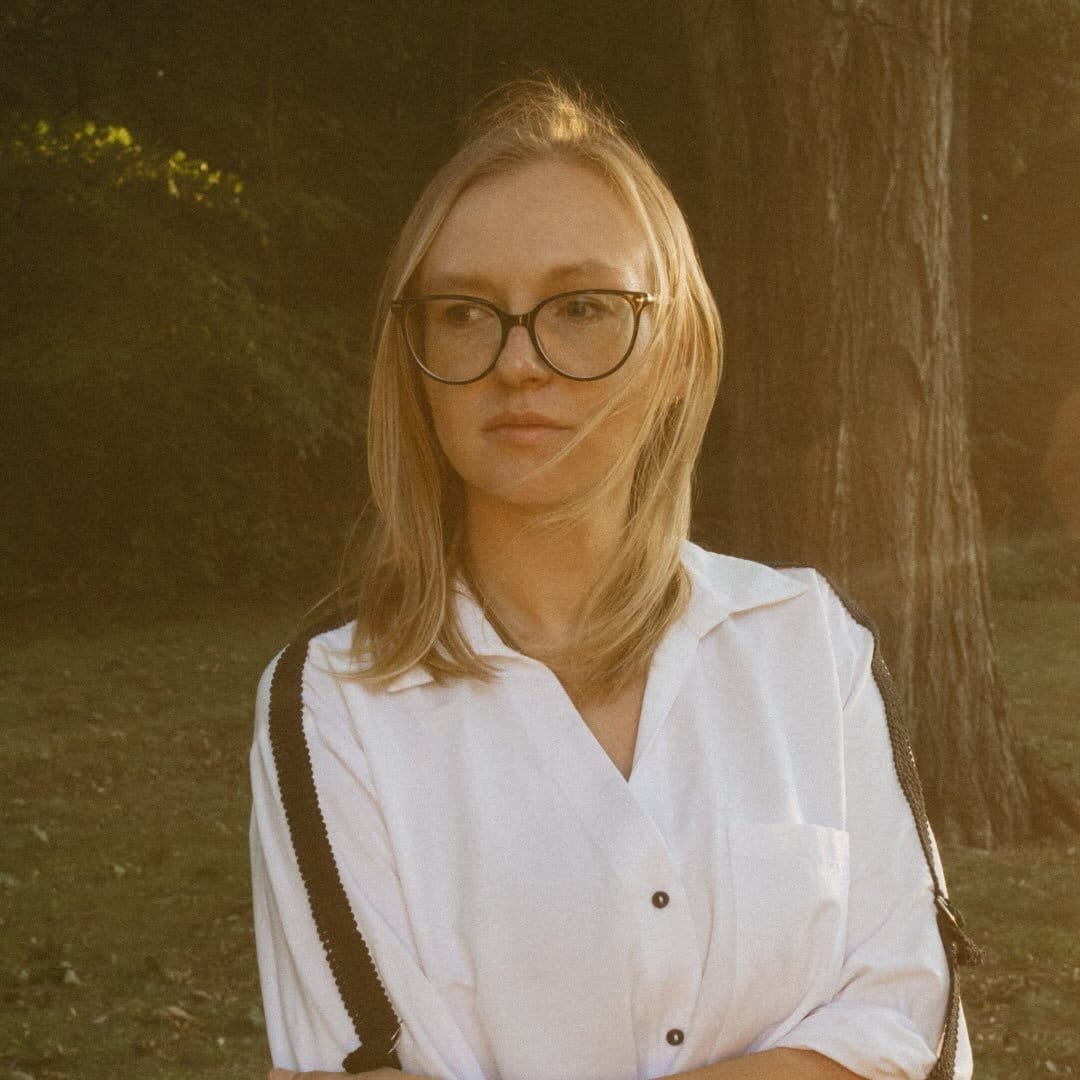
Hello
The artist behind the camera
I have been making pictures for as long as I can remember. For most of that time they were paintings.
I grew up in Ukraine and studied fine art in Ternopil — oils mostly, and a great many hours spent on the same three problems: where the light is coming from, how the colours sit against each other, and what to leave out. Somewhere in there I also picked up a camera, and never really put it down. Old film bodies, borrowed lenses, friends talked into standing in fields at odd hours. None of it was for money. It was just the thing I did.
I came to Canada about ten years ago, took a graphic design diploma at George Brown, and spent the years after that designing for other people, to a deadline. Same three problems. Different tools.
Then I had a baby.
That's the part that changed things. Because somewhere in the middle of that first year — tired, permanently behind the camera, absent from every single photograph of my own child's life — I understood something I hadn't before. Not that photographs are nice to have. That they are the only reliable way any of us gets to look back at who we were.
So I picked the camera up differently.
Now I photograph mothers and families around Kitchener-Waterloo, and I do it the way I was taught to paint: slowly, in natural light, one image at a time. It turns out that a lifetime of thinking about light and colour and composition is quite useful when you point it at a family in a field at seven in the evening.
I'm not trying to make you look like somebody else. I'm trying to make something you'll still want on the wall in twenty years — and that your children will want after that.
How I work
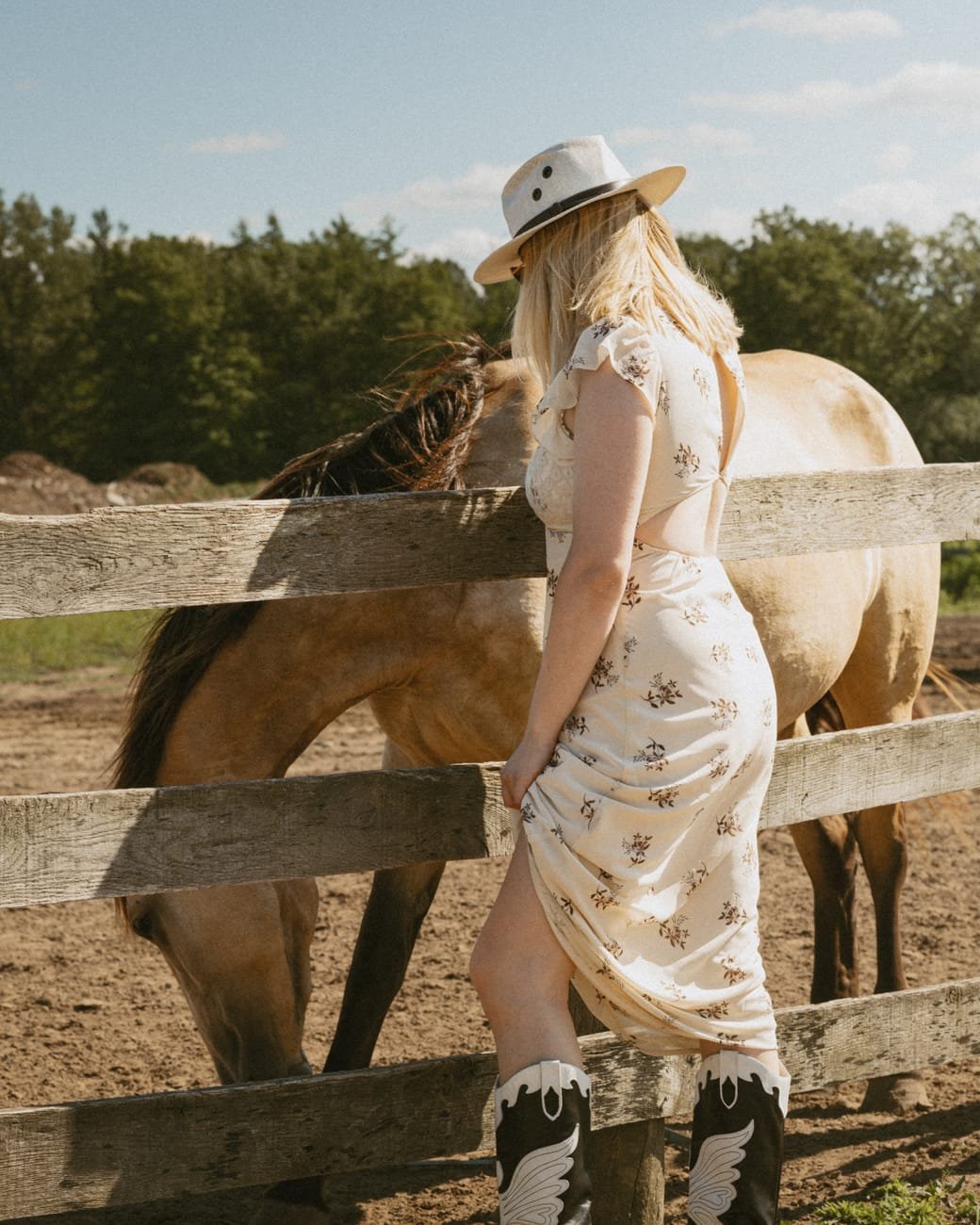
Light, not lighting
I don't use flash. Everything I shoot is lit by a window or by the sun in the last hour before it goes down, which is the light that Vermeer built a career on and that Rembrandt spent forty years learning to fake. There's a reason painters chased it. It falls softly, it wraps around a face instead of flattening it, and it makes skin look like skin rather than like a surface.
The trade-off is that I'm at the mercy of the weather and the clock. It's worth it.
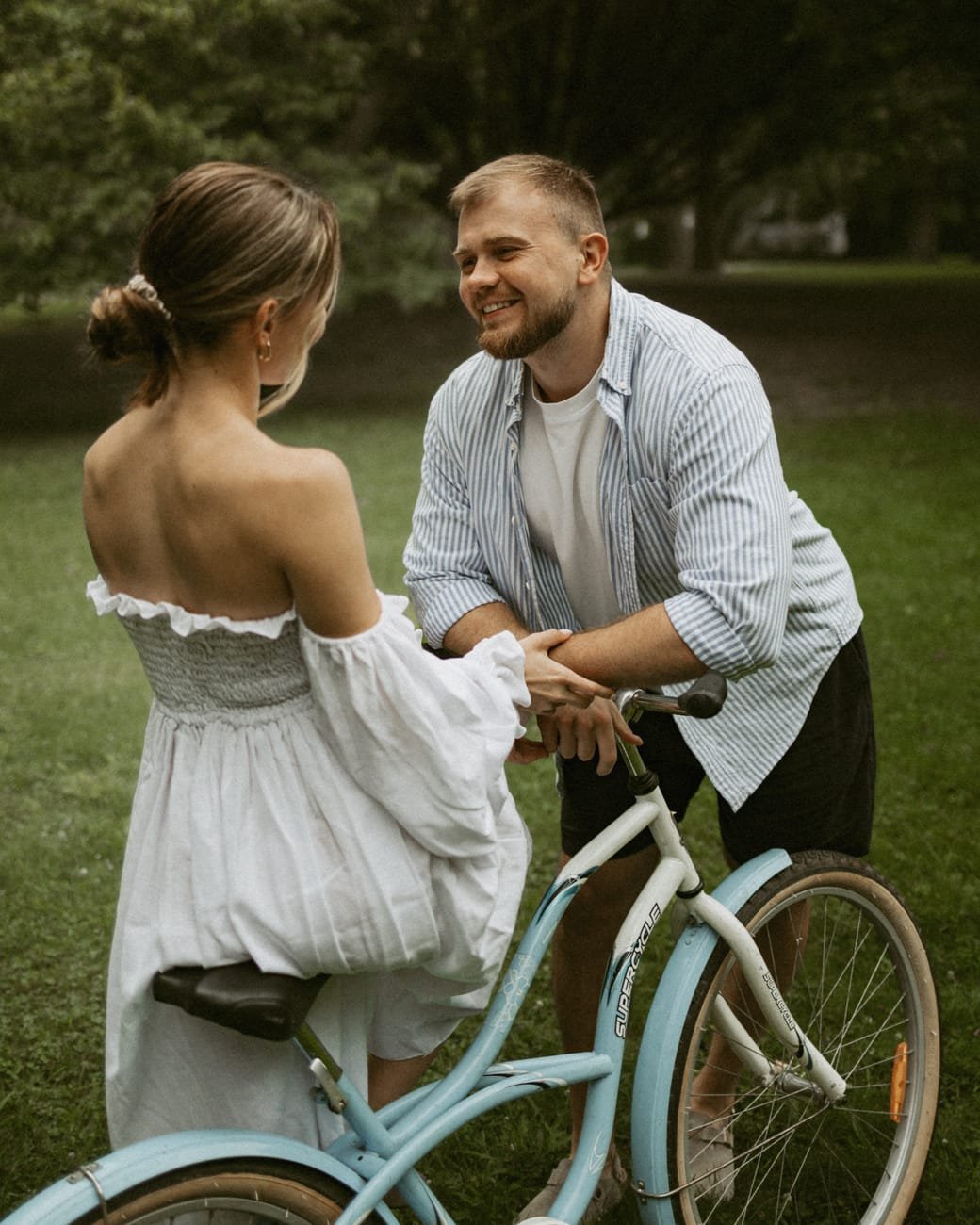
Colour mixed, not filtered
Most portrait photography is edited with a preset — one recipe applied to four hundred photographs in an afternoon. It's efficient, and it's why so much of it looks the same.
I edit each image individually. Warm, muted, low in contrast, with the shadows left where they fall instead of lifted out. It takes hours per session and it's the closest thing I do to painting: mixing a colour, standing back, adjusting it, standing back again.
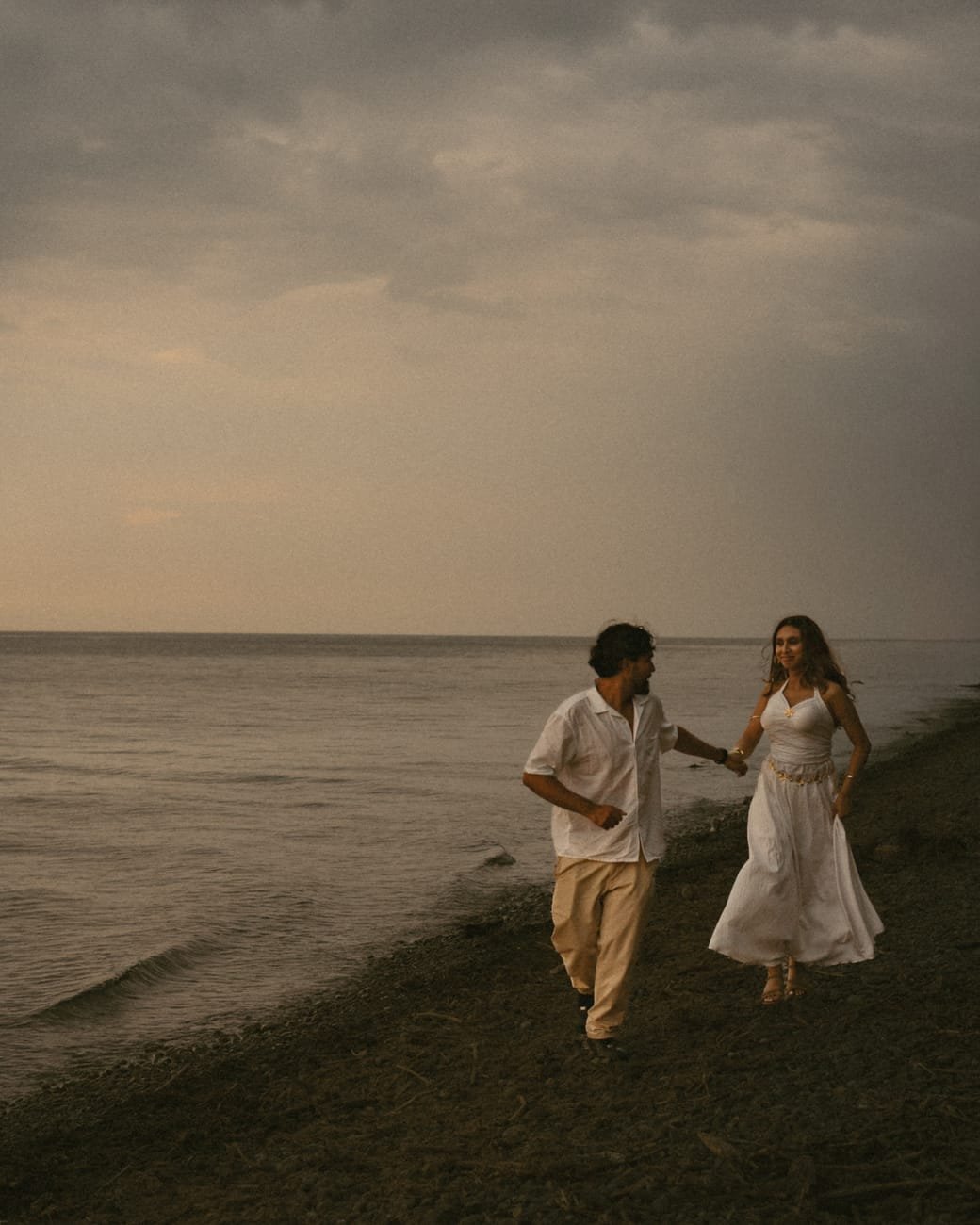
Composed, not posed
Composition is the one thing you can't fake and can't automate. Where the horizon sits. How much empty space to leave. Which arm to cut off at the frame edge.
In practice this means I'll tell you where to stand and where to look, and then I'll stop talking. The direction is there to put you in the right light with the right space around you. What happens after that is yours.
Where I work
I'm based in Kitchener-Waterloo and photograph across the region — Waterloo, Kitchener, Cambridge, Guelph, and out to Burlington, Hamilton and Oakville. Anywhere within about an hour is included. Further than that, ask me anyway.